

 Amazon
A Gentle Children’s Storybook About Moon Phases, Gardening, and Nature’s Rhythms
Perfect for homeschool families, nature-based classrooms, and young readers ages 6–10 who love stories with real-world learning.
Bio-Dynamic Gardening and Harmony with Nature is a dreamy children’s storybook adventure that teaches gardening through wonder, observation, and a close relationship with the natural world. Set on a homestead garden under the evening moon, the story follows Jake and Lily as they discover that planting and harvesting can be guided by more than just a schedule — they can be shaped by the rhythms of the earth, the seasons, and the sky. As Farmer John introduces the children to moon gardening and biodynamic planting, young readers are gently led through ideas like moon phases, seasonal cycles, soil awareness, and the different needs of root, leaf, flower, and fruit crops. The learning is woven into story, making it approachable for children who respond best to narrative, imagery, and hands-on examples rather than formal instruction. This is a strong fit for homeschool lessons, nature study shelves, family read-alouds, and classroom libraries that value calm, meaningful educational content. It offers a peaceful alternative to high-noise media while encouraging children to notice patterns, ask questions, and pay attention to how living things change over time. For families who garden, live on a homestead, or simply enjoy books that connect science with story, this title offers a warm way to talk about seasons, patience, and the quiet wisdom of nature.
Amazon
KDP Books
Kids Products
$3.99
About This Resource
See What This Learning Resource Includes
Bio-Dynamic Gardening and Harmony with Nature is a dreamy children’s storybook adventure that teaches gardening through wonder, observation, and a close relationship with the natural world. Set on a homestead garden under the evening moon, the story follows Jake and Lily as they discover that planting and harvesting can be guided by more than just a schedule — they can be shaped by the rhythms of the earth, the seasons, and the sky.
As Farmer John introduces the children to moon gardening and biodynamic planting, young readers are gently led through ideas like moon phases, seasonal cycles, soil awareness, and the different needs of root, leaf, flower, and fruit crops. The learning is woven into story, making it approachable for children who respond best to narrative, imagery, and hands-on examples rather than formal instruction.
This is a strong fit for homeschool lessons, nature study shelves, family read-alouds, and classroom libraries that value calm, meaningful educational content. It offers a peaceful alternative to high-noise media while encouraging children to notice patterns, ask questions, and pay attention to how living things change over time.
For families who garden, live on a homestead, or simply enjoy books that connect science with story, this title offers a warm way to talk about seasons, patience, and the quiet wisdom of nature.
Thoughtful Highlights
Why This Resource May Fit Your Learning Goals
Introduces moon phases and biodynamic gardening in a child-friendly story format.
Helps children understand seasonal gardening through simple narrative examples.
Supports homeschool and nature-study lessons with age-appropriate learning themes.
Encourages observation, patience, and curiosity about living systems.
Uses a homestead setting that feels warm, peaceful, and relatable.
Connects earth, plants, weather, moon, and stars into one memorable learning idea.
Suitable for read-aloud time, independent reading, or classroom story circles.
Offers a wholesome screen-free option for children ages 6–10.
Creates an easy bridge between literature and real-world gardening activities.
Helpful Details
Know Before You Visit the Source
What age group is this storybook for?
The description says it is designed for children ages 6–10. That makes it a good fit for early elementary readers, read-aloud time with younger children, and homeschool or classroom settings where nature topics are introduced gradually and through storytelling rather than technical instruction.
What does the book teach?
It introduces moon phases, biodynamic gardening, seasonal gardening, natural cycles, and the idea that plants can be observed and cared for in rhythm with the seasons. The learning is presented in a story-first way so children can absorb the concepts without feeling like they are reading a textbook.
Is this more of a story or a lesson book?
It is described as a dreamy, educational storybook. That means the learning is built into the narrative rather than presented as a workbook or reference guide. It should work especially well for children who learn best through characters, scenes, and gentle storytelling.
Who is this most useful for?
It is especially useful for homeschool families, nature-based classrooms, garden-loving parents, and children who enjoy books about the natural world. It may also appeal to grandparents or gift buyers looking for a wholesome educational title with a calm, nature-centered tone.
Does it focus only on gardening?
No. The book links gardening to broader natural rhythms, including moon phases, weather, seasons, soil, and the cycles of plants. That wider perspective is part of the value, because it helps children see gardening as connected to the larger living world around them.
Can this be used alongside real gardening activities?
Yes. The story’s focus on sowing, transplanting, cultivating, harvesting, and observing plant cycles makes it a natural companion to family gardening or seasonal learning. It can help spark conversations before or after hands-on outdoor activities.
Is this suitable for homeschool use?
Yes. The description explicitly mentions homeschool families, and the subject matter fits well with home education themes like nature study, seasonal learning, and science through observation. It can be used as a read-aloud, discussion starter, or supplement to a gardening unit.
Keep Exploring
More Playful Learning Resources

Where the Heather Remembers: A forgotten letter. A hidden legacy. A love that was always meant to be.
Where the Heather Remembers is an evocative later-in-life romance set in the misty beauty of the Scottish Highlands. At its heart is Clara Bennett, a seasoned travel writer whose career has taught her how…
Amazon
$2.99

Planning the Homestead Garden: Jake and Lily Start Their Homestead Garden. A Children’s Storybook Adventure About Soil, Seeds, Plants, and Growing Food. (Young Adventures in Homestead Gardening 1)
Planning the Homestead Garden is a warm, educational children’s storybook that invites young readers into the first steps of growing food. Jake and Lily are ready to begin their homestead garden, but they quickly…
Amazon
$3.99
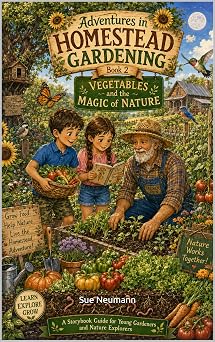
Vegetables And The Magic Of Nature: A Children’s Storybook Adventure About Vegetables, Fruits, Herbs, and Companion Planting (Young Adventures in Homestead Gardening 2)
Vegetables And The Magic Of Nature invites young readers into Jake and Lily’s garden as they decide what to plant and discover how a thriving garden works. With help from Farmer John, children explore…
Amazon
$3.99

Fruits Of Our Labor: A Children’s Storybook Adventure About Compost, Worms, Soil, and Garden Helpers (Young Adventures in Homestead Gardening 3)
Fruits Of Our Labor is a warm, story-driven way to introduce children to one of the most important ideas in gardening: healthy soil is alive. When Jake assumes soil is just dirt, Farmer John…
Amazon
$3.99