

 Amazon
A Gentle Garden Story That Teaches Kids How Healthy Soil Grows
Perfect for ages 6–10, homeschool lessons, classroom read-alouds, and families exploring composting and sustainability.
Fruits Of Our Labor is a warm, story-driven way to introduce children to one of the most important ideas in gardening: healthy soil is alive. When Jake assumes soil is just dirt, Farmer John opens the door to a hidden world filled with worms, insects, fallen leaves, compost, mulch, moisture, and tiny helpers working beneath the surface. That simple setup makes the science feel approachable, memorable, and fun. This storybook is designed for young readers who learn best through narrative and visual examples. Rather than presenting composting as a dry explanation, it shows children how garden scraps become rich soil food, why worms matter, and how feeding the earth supports the whole garden. The result is a gentle introduction to sustainability that feels natural for family reading, classroom discussion, and homeschool learning. Because the language is child-friendly and the subject is rooted in real-world garden activity, this title fits well into plant studies, Earth Day lessons, homestead education, and nature-based literacy time. It can spark curiosity about what happens underground while also reinforcing practical habits like recycling organic matter, protecting moisture, and caring for the soil that feeds plants. As part of the Young Adventures in Homestead Gardening series, it also has series appeal for buyers who want connected educational titles with a wholesome, values-based tone. If you are looking for a children’s book that combines wonder, science, and stewardship, this one offers an easy entry point into composting and garden ecology.
Amazon
KDP Books
Kids Activity Books
$3.99
About This Resource
See What This Learning Resource Includes
Fruits Of Our Labor is a warm, story-driven way to introduce children to one of the most important ideas in gardening: healthy soil is alive. When Jake assumes soil is just dirt, Farmer John opens the door to a hidden world filled with worms, insects, fallen leaves, compost, mulch, moisture, and tiny helpers working beneath the surface. That simple setup makes the science feel approachable, memorable, and fun.
This storybook is designed for young readers who learn best through narrative and visual examples. Rather than presenting composting as a dry explanation, it shows children how garden scraps become rich soil food, why worms matter, and how feeding the earth supports the whole garden. The result is a gentle introduction to sustainability that feels natural for family reading, classroom discussion, and homeschool learning.
Because the language is child-friendly and the subject is rooted in real-world garden activity, this title fits well into plant studies, Earth Day lessons, homestead education, and nature-based literacy time. It can spark curiosity about what happens underground while also reinforcing practical habits like recycling organic matter, protecting moisture, and caring for the soil that feeds plants.
As part of the Young Adventures in Homestead Gardening series, it also has series appeal for buyers who want connected educational titles with a wholesome, values-based tone. If you are looking for a children’s book that combines wonder, science, and stewardship, this one offers an easy entry point into composting and garden ecology.
Thoughtful Highlights
Why This Resource May Fit Your Learning Goals
Explains healthy soil through a friendly story children can understand and enjoy.
Introduces compost, worms, mulch, and decomposers in simple, memorable language.
Helps young readers see the garden as a living ecosystem, not just a patch of dirt.
Supports read-aloud learning at home, in classrooms, or in homeschool lessons.
Encourages curiosity about sustainability, recycling nutrients, and caring for the earth.
Works well as a spring, garden, or Earth Day themed learning resource.
Fits families who enjoy homestead living, gardening, and nature-based education.
Offers a gentle teaching style that is warm rather than overly technical.
Part of a series, making it appealing to readers who like connected titles.
Helpful Details
Know Before You Visit the Source
What age group is this book for?
The description says it is designed for children ages 6–10. That makes it a strong fit for early elementary readers, read-aloud time with parents, and classroom or homeschool settings where adults want to introduce gardening concepts in a simple, story-based way.
What science topics does the book cover?
It introduces healthy soil, compost, garden scraps, worms, decomposers, mulch, moisture, microorganisms, recycling nutrients, and caring for the earth naturally. These topics are woven into the story so children can learn through characters and events instead of only through explanation.
Is this book good for homeschooling?
Yes. The subject matter supports homeschool science, nature study, and environmental learning. Because the book uses a gentle story format, it can be paired with garden activities, compost observations, or follow-up discussion questions to make the lesson more hands-on.
Can teachers use this in the classroom?
Yes. It works well for elementary classroom read-alouds, plant units, Earth Day lessons, and library story time. The content is friendly and accessible, so teachers can use it to open conversations about soil health and the role of worms and compost in gardens.
Does the book focus on composting?
Yes, composting is one of the central topics. The story shows children how garden scraps break down into rich material that helps plants grow, which makes it useful for families and educators who want to explain composting in a child-friendly way.
Is this part of a series?
Yes. The title includes Young Adventures in Homestead Gardening 3, which suggests it belongs to a connected series. That can be helpful for buyers who enjoy themed books and want more titles with a similar gardening and homestead focus.
What makes this book different from a textbook?
Instead of presenting information in a dry or technical way, it uses characters, gentle guidance, and a story adventure to teach the lesson. That approach helps children stay engaged while still learning real concepts about soil, worms, and garden ecology.
Keep Exploring
More Playful Learning Resources

Where the Heather Remembers: A forgotten letter. A hidden legacy. A love that was always meant to be.
Where the Heather Remembers is an evocative later-in-life romance set in the misty beauty of the Scottish Highlands. At its heart is Clara Bennett, a seasoned travel writer whose career has taught her how…
Amazon
$2.99

Planning the Homestead Garden: Jake and Lily Start Their Homestead Garden. A Children’s Storybook Adventure About Soil, Seeds, Plants, and Growing Food. (Young Adventures in Homestead Gardening 1)
Planning the Homestead Garden is a warm, educational children’s storybook that invites young readers into the first steps of growing food. Jake and Lily are ready to begin their homestead garden, but they quickly…
Amazon
$3.99
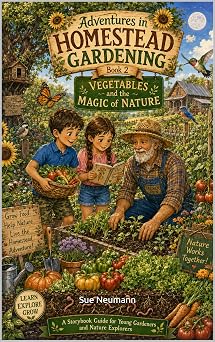
Vegetables And The Magic Of Nature: A Children’s Storybook Adventure About Vegetables, Fruits, Herbs, and Companion Planting (Young Adventures in Homestead Gardening 2)
Vegetables And The Magic Of Nature invites young readers into Jake and Lily’s garden as they decide what to plant and discover how a thriving garden works. With help from Farmer John, children explore…
Amazon
$3.99

Herbs for Every Purpose: A Children’s Storybook Adventure About Picking, Preserving, Sharing, and Saving Food (Young Adventures in Homestead Gardening 4)
Herbs for Every Purpose is a gentle, family-centered storybook that invites children into the rhythm of harvest season. Jake and Lily explore a garden filled with color, fragrance, and abundance as Farmer John helps…
Amazon
$3.99