

 Amazon
Solve a Classic Country-House Murder as the Detective
An interactive 1931 mystery gamebook for solo readers, book clubs, classrooms, and fans of Golden Age deduction.
Step into 1931 England and take on a murder case that feels pulled from the best traditions of classic detective fiction. In The Last Lord of Greyscar: A Weekend of Shadows and Silk, the patriarch of a noble family is found dead in his library, and the reader becomes the detective. The result is an immersive mystery experience built around observation, logic, and careful deduction. This is more than a story to read through. It is designed as an interactive investigation, with eight scenes that guide players through clues, alibis, evidence logs, and hidden tensions within a grand English estate. Each detail matters, from wartime secrets and inheritance disputes to forbidden romances and suspicious objects left in plain sight. The format is especially appealing for buyers who want an active reading experience. Printable clue sheets, timelines, and dossiers make the investigation feel tangible, while the sealed solution section gives the case a satisfying endpoint. Whether you are reading alone, discussing it with a book club, using it in a classroom, or hosting an interactive game night, the structure supports engagement without losing the atmosphere of a traditional whodunit. If you enjoy Agatha Christie, Dorothy L. Sayers, Golden Age detective fiction, or historical mysteries with a puzzle-solving twist, this title offers a strong blend of elegance, suspense, and participation. It is a practical pick for readers who like to test their instincts and enjoy the challenge of uncovering the truth themselves.
Amazon
Book Series & Collections
KDP Books
1
About This Resource
See What This Learning Resource Includes
Step into 1931 England and take on a murder case that feels pulled from the best traditions of classic detective fiction. In The Last Lord of Greyscar: A Weekend of Shadows and Silk, the patriarch of a noble family is found dead in his library, and the reader becomes the detective. The result is an immersive mystery experience built around observation, logic, and careful deduction.
This is more than a story to read through. It is designed as an interactive investigation, with eight scenes that guide players through clues, alibis, evidence logs, and hidden tensions within a grand English estate. Each detail matters, from wartime secrets and inheritance disputes to forbidden romances and suspicious objects left in plain sight.
The format is especially appealing for buyers who want an active reading experience. Printable clue sheets, timelines, and dossiers make the investigation feel tangible, while the sealed solution section gives the case a satisfying endpoint. Whether you are reading alone, discussing it with a book club, using it in a classroom, or hosting an interactive game night, the structure supports engagement without losing the atmosphere of a traditional whodunit.
If you enjoy Agatha Christie, Dorothy L. Sayers, Golden Age detective fiction, or historical mysteries with a puzzle-solving twist, this title offers a strong blend of elegance, suspense, and participation. It is a practical pick for readers who like to test their instincts and enjoy the challenge of uncovering the truth themselves.
Thoughtful Highlights
Why This Resource May Fit Your Learning Goals
Interactive mystery format puts the reader in the role of detective.
Set in 1931 England for a classic Golden Age atmosphere.
A noble country estate provides a rich closed-circle setting.
Hidden wartime secrets deepen the motive web and character tension.
Forbidden romances and inheritance feuds add layers of suspicion.
Eight immersive scenes guide the investigation step by step.
Printable clue sheets, timelines, and dossiers support active play.
A sealed solution section makes the mystery self-contained.
Works well for solo readers, book clubs, classrooms, and game nights.
Ideal for fans of classic detective fiction and puzzle mysteries.
Helpful Details
Know Before You Visit the Source
What kind of product is this?
This is an interactive detective mystery gamebook rather than a standard passive read. The reader steps into the role of detective, examines clues, follows deductions, and works toward solving a murder at a 1931 English country estate. It combines story, puzzles, and investigation tools in one experience.
What is the setting?
The mystery is set in 1931 England inside a stately noble family estate. The setting supports a classic Golden Age tone with decorum on the surface and secrets underneath, including inheritance tension, wartime history, and hidden relationships that shape the case.
What makes it interactive?
The product includes eight immersive scenes, puzzles, deductions, evidence logs, and printable investigation materials such as clue sheets, timelines, and dossiers. These elements help readers track information and actively participate in solving the case.
Who is this best for?
It is best for readers who love classic detective fiction, historical mysteries, and puzzle-based storytelling. It also suits book clubs, classrooms, and game nights because the format encourages discussion, reasoning, and evidence-based analysis.
Is it only for solo reading?
No. The description says it works for solo play, book clubs, classrooms, and interactive game nights. That flexibility makes it appealing to both individual mystery fans and groups looking for a structured activity.
What kind of mystery tone does it have?
The tone is atmospheric, elegant, and puzzle-driven, with clear Golden Age inspiration. Rather than focusing on graphic crime details, it emphasizes clues, secrets, alibis, and the satisfaction of solving a fair-play mystery.
Does it include a solution?
Yes. The description mentions a sealed solution section, which means the ending is built into the product and can be checked after the reader has attempted the case. That makes it feel complete and self-contained.
What similar authors or styles does it evoke?
The description explicitly references Agatha Christie, Dorothy L. Sayers, and Golden Age detective fiction. That suggests a classic whodunit style with a country-house setting, careful clue placement, and a focus on deduction rather than action-heavy suspense.
Keep Exploring
More Playful Learning Resources

Where the Heather Remembers: A forgotten letter. A hidden legacy. A love that was always meant to be.
Where the Heather Remembers is an evocative later-in-life romance set in the misty beauty of the Scottish Highlands. At its heart is Clara Bennett, a seasoned travel writer whose career has taught her how…
Amazon
$2.99

Planning the Homestead Garden: Jake and Lily Start Their Homestead Garden. A Children’s Storybook Adventure About Soil, Seeds, Plants, and Growing Food. (Young Adventures in Homestead Gardening 1)
Planning the Homestead Garden is a warm, educational children’s storybook that invites young readers into the first steps of growing food. Jake and Lily are ready to begin their homestead garden, but they quickly…
Amazon
$3.99
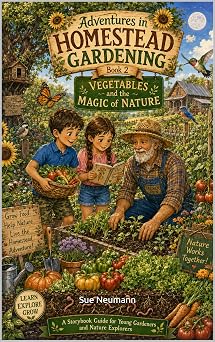
Vegetables And The Magic Of Nature: A Children’s Storybook Adventure About Vegetables, Fruits, Herbs, and Companion Planting (Young Adventures in Homestead Gardening 2)
Vegetables And The Magic Of Nature invites young readers into Jake and Lily’s garden as they decide what to plant and discover how a thriving garden works. With help from Farmer John, children explore…
Amazon
$3.99

Fruits Of Our Labor: A Children’s Storybook Adventure About Compost, Worms, Soil, and Garden Helpers (Young Adventures in Homestead Gardening 3)
Fruits Of Our Labor is a warm, story-driven way to introduce children to one of the most important ideas in gardening: healthy soil is alive. When Jake assumes soil is just dirt, Farmer John…
Amazon
$3.99