

 Amazon
A Beginner-Friendly Guide to Organic Food, Healthier Choices, and Smarter Shopping
Ideal for wellness-minded readers, budget-conscious shoppers, and anyone curious about organic eating without the overwhelm.
Stay Fit and Healthy with Organic Food is a simple, approachable Kindle guide for readers who want to understand organic food and decide whether it belongs in their everyday routine. It is written for people who are curious about healthier eating but may be hesitant because of price, uncertainty, or information overload. The book introduces the idea behind organic foods, why they are popular, and why many shoppers view them as a healthier option. It also acknowledges a very real objection: cost. That makes this title especially useful for buyers who want practical advice, not hype. Instead of treating organic food as an all-or-nothing lifestyle, the guide points readers toward manageable steps they can actually use. A major strength of this product is its everyday practicality. The imported description indicates coverage of how to buy organic foods, how to save money on them, and how to grow your own. That combination makes the title relevant to both grocery shoppers and home-growing beginners. It can serve as an easy first read for anyone building a more mindful food routine. Position this product as a straightforward starting point for better food decisions. It is a fit for readers who want a quick, affordable digital resource that helps them think more clearly about organic food, wellness, and simple healthy habits.
Amazon
Digital Products
KDP Books
1
About This Resource
See What This Learning Resource Includes
Stay Fit and Healthy with Organic Food is a simple, approachable Kindle guide for readers who want to understand organic food and decide whether it belongs in their everyday routine. It is written for people who are curious about healthier eating but may be hesitant because of price, uncertainty, or information overload.
The book introduces the idea behind organic foods, why they are popular, and why many shoppers view them as a healthier option. It also acknowledges a very real objection: cost. That makes this title especially useful for buyers who want practical advice, not hype. Instead of treating organic food as an all-or-nothing lifestyle, the guide points readers toward manageable steps they can actually use.
A major strength of this product is its everyday practicality. The imported description indicates coverage of how to buy organic foods, how to save money on them, and how to grow your own. That combination makes the title relevant to both grocery shoppers and home-growing beginners. It can serve as an easy first read for anyone building a more mindful food routine.
Position this product as a straightforward starting point for better food decisions. It is a fit for readers who want a quick, affordable digital resource that helps them think more clearly about organic food, wellness, and simple healthy habits.
Thoughtful Highlights
Why This Resource May Fit Your Learning Goals
Beginner-friendly overview of organic food and why it matters in everyday eating.
Practical shopping guidance for readers who want to buy organic foods more confidently.
Budget-aware angle that addresses the common concern of organic food cost.
Simple wellness framing that appeals to health-conscious shoppers.
Helpful starting point for readers comparing conventional and organic options.
Introduces ways to save money while choosing organic foods.
Includes ideas for growing some of your own food at home.
Easy Kindle format for quick reading and low-friction buying.
Good fit for readers who want a simple first step, not a heavy nutrition manual.
Helpful Details
Know Before You Visit the Source
Who is this book best for?
This book is best for readers who are curious about organic food and want a simple, beginner-friendly introduction. It should appeal to people who care about healthier eating, want to understand the difference between organic and conventional foods, or are looking for practical ideas they can use in daily life without taking on a complicated nutrition program.
Does the description suggest this is a detailed health textbook?
No. Based on the imported description, this looks more like an introductory guide than a technical or clinical reference. The value is in simple explanations, practical shopping ideas, and a beginner-friendly overview of organic food, not in medical advice or advanced nutrition science.
What problem does this product solve?
It helps readers who want healthier food choices but feel unsure where to begin, especially if they are concerned about the price of organic food. The book offers a straightforward starting point by explaining why organic foods are appealing, how to approach buying them, and how to think about growing some at home.
Is affordability part of the value proposition?
Yes. The imported description specifically mentions that organic foods can be expensive and that the book shows ways to save money. That makes affordability an important part of the product’s appeal, especially for shoppers who want healthier options without overspending.
What makes this product useful for portfolio or affiliate-style promotion?
It is easy to position as a practical, low-cost beginner guide for wellness-minded readers. The topic is broadly understandable, the promise is clear, and the audience is easy to identify: people who want simpler, healthier food choices and need basic guidance on organic eating.
Can this be promoted as a meal-planning or home-growing resource?
Yes, cautiously. The description indicates that it includes ways to buy organic food and grow your own, so it can be promoted around healthy routines, budget-friendly shopping, and small home-growing steps. Avoid overstating depth unless the internal contents are verified.
Keep Exploring
More Playful Learning Resources

Where the Heather Remembers: A forgotten letter. A hidden legacy. A love that was always meant to be.
Where the Heather Remembers is an evocative later-in-life romance set in the misty beauty of the Scottish Highlands. At its heart is Clara Bennett, a seasoned travel writer whose career has taught her how…
Amazon
$2.99

Planning the Homestead Garden: Jake and Lily Start Their Homestead Garden. A Children’s Storybook Adventure About Soil, Seeds, Plants, and Growing Food. (Young Adventures in Homestead Gardening 1)
Planning the Homestead Garden is a warm, educational children’s storybook that invites young readers into the first steps of growing food. Jake and Lily are ready to begin their homestead garden, but they quickly…
Amazon
$3.99
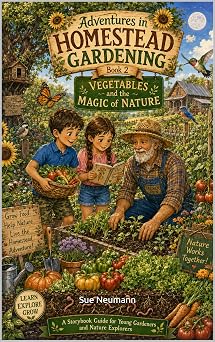
Vegetables And The Magic Of Nature: A Children’s Storybook Adventure About Vegetables, Fruits, Herbs, and Companion Planting (Young Adventures in Homestead Gardening 2)
Vegetables And The Magic Of Nature invites young readers into Jake and Lily’s garden as they decide what to plant and discover how a thriving garden works. With help from Farmer John, children explore…
Amazon
$3.99

Fruits Of Our Labor: A Children’s Storybook Adventure About Compost, Worms, Soil, and Garden Helpers (Young Adventures in Homestead Gardening 3)
Fruits Of Our Labor is a warm, story-driven way to introduce children to one of the most important ideas in gardening: healthy soil is alive. When Jake assumes soil is just dirt, Farmer John…
Amazon
$3.99